Continuous Partial Postponement
Attention is a theme I've covered here numerous times in the 3+ years I have been writing at this site. One of the recurring models that we've accepted as fact is the notion of Continuous Partial Attention - a term coined by Linda Stone some time ago.
In case you're not fresh on how it works, here's a quick definition:
Continuous partial attention describes how many of us use our attention today. It is different from multi-tasking. The two are differentiated by the impulse that motivates them. When we multi-task, we are motivated by a desire to be more productive and more efficient. We're often doing things that are automatic, that require very little cognitive processing. We give the same priority to much of what we do when we multi-task -- we file and copy papers, talk on the phone, eat lunch -- we get as many things done at one time as we possibly can in order to make more time for ourselves and in order to be more efficient and more productive.
To pay continuous partial attention is to pay partial attention -- CONTINUOUSLY. It is motivated by a desire to be a LIVE node on the network. Another way of saying this is that we want to connect and be connected. We want to effectively scan for opportunity and optimize for the best opportunities, activities, and contacts, in any given moment. To be busy, to be connected, is to be alive, to be recognized, and to matter.
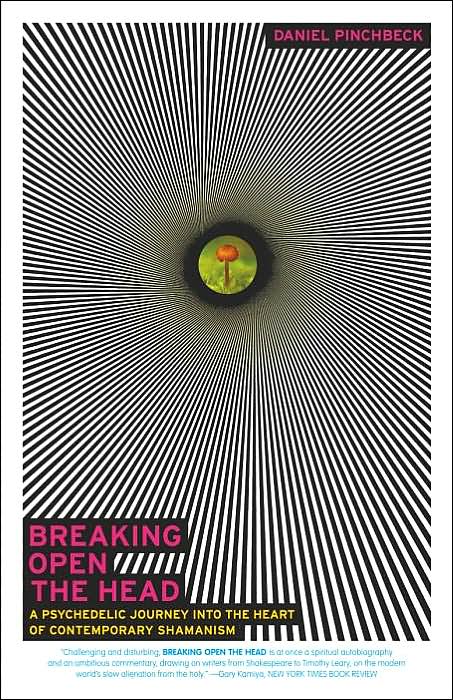
The last night or so, I've begun reading an interesting book (recommended by a friend), called Breaking Open the Head. It takes a look at contemporary shamanism - yes, outside my normal sphere, no, not completely crazy. Tonight, I came across a small gem that warranted sharing:
We have sacrificed perpetual capabilities for other mental abilities -- to concentrate on a computer screen while sitting in a cubicle for many hours at a stretch [...] or to shut off multiple levels of awareness as we drive a car in heavy traffic. In other words, we are brought up in a system that teaches us to postpone, defer and elminate most incoming sense data in favor of a future reward. We live in a feedback loop of perpertual postponement. For the most part, we are not even aware of what we have lost.
Source: Daniel Pincheback on Levi-Strauss, Breaking Open the Head
I must admit, this is somewhat fascinating to read. Certainly, I find merit in Linda's portrayal of our mindset, but I can't help but sense the elegence in this second view. In many ways, these are two sides of the same coin. Whereas Linda's approach takes the "glass-half-full" vantage point and deems our new skill as an optimization, Levi-Strauss takes the more pessimistic persuasion and examines that which has been discarded in exchange.
Technology has always sought out efficiencies - it's what drives innovation, right? As we barrel forward at an ever-quickening pace, it becomes more and more evident (from teens and their disposable identities (read Impression Management) to adults and their persistent fear of stolen identity and everything in between) that sometimes we need to allow some distance to grow before we can appreciate the place from which we have just departed.
Could Continuous Partial Postponent be a simple way to remind us of the balance between technology and our humanity?
technorati tags:continuous+partial+postponement, digital+identify, danah+boyd, linda+stone